
Gastrointestinal Oncology: Stomach Cancer Symptoms, Staging & Minimally Invasive Gastrectomy

"Comprehensive clinical guide on gastric cancer warning signs, endoscopic narrow-band imaging, D2 radical gastrectomy, and multimodal oncological care."
Key Highlights at a Glance
- Early gastric cancer is often silent; persistent dyspepsia or acidity in adults over 40 warrants diagnostic upper endoscopy.
- Helicobacter pylori (H. pylori) chronic infection and smoking are major treatable risk factors for gastric adenocarcinoma.
- Radical D2 lymphadenectomy during laparoscopic or robotic gastrectomy ensures optimal oncological clearance.
- Multidisciplinary tumor board integration combines perioperative FLOT chemotherapy with surgery to maximize cure rates.
1. Overview & Understanding the Condition
Stomach (gastric) cancer requires dedicated surgical gastroenterological expertise. Because early gastric lesions mimic common acid reflux or peptic ulcers, timely evaluation with high-definition upper gastrointestinal endoscopy is paramount to detect tumors when they remain surgically curable.
2. Common Symptoms & How It Is Diagnosed
Recognizing Symptoms of Gastric & Upper GI Pathology:
3. Treatment & Care Options
Staging & Advanced Surgical Modalities:
Visualizes mucosal irregularities and ulcer margins
Evaluates tumor depth (T-stage) and regional lymph nodes
Subtotal or total stomach removal with systematic D2 lymph node clearance
Re-establishes seamless intestinal continuity for comfortable long-term digestion
4. Recovery & Daily Care Guidelines
Dr. Rajesh Vunnamatla (trained at IRCAD France, Fellow of the Association of Robotic and Innovative Surgeons) leads complex surgical gastrointestinal and HPB oncological resections at Anviah Hospitals Gachibowli.
Frequently Asked Questions (FAQs)
Clinical guidance & patient care protocols for Surgical Gastroenterology & HPB
Yes. Following laparoscopic subtotal or total gastrectomy with Roux-en-Y reconstruction, the small intestine adapts over time. Patients comfortably enjoy nutrient-rich, frequent smaller meals with normal long-term nutrition.
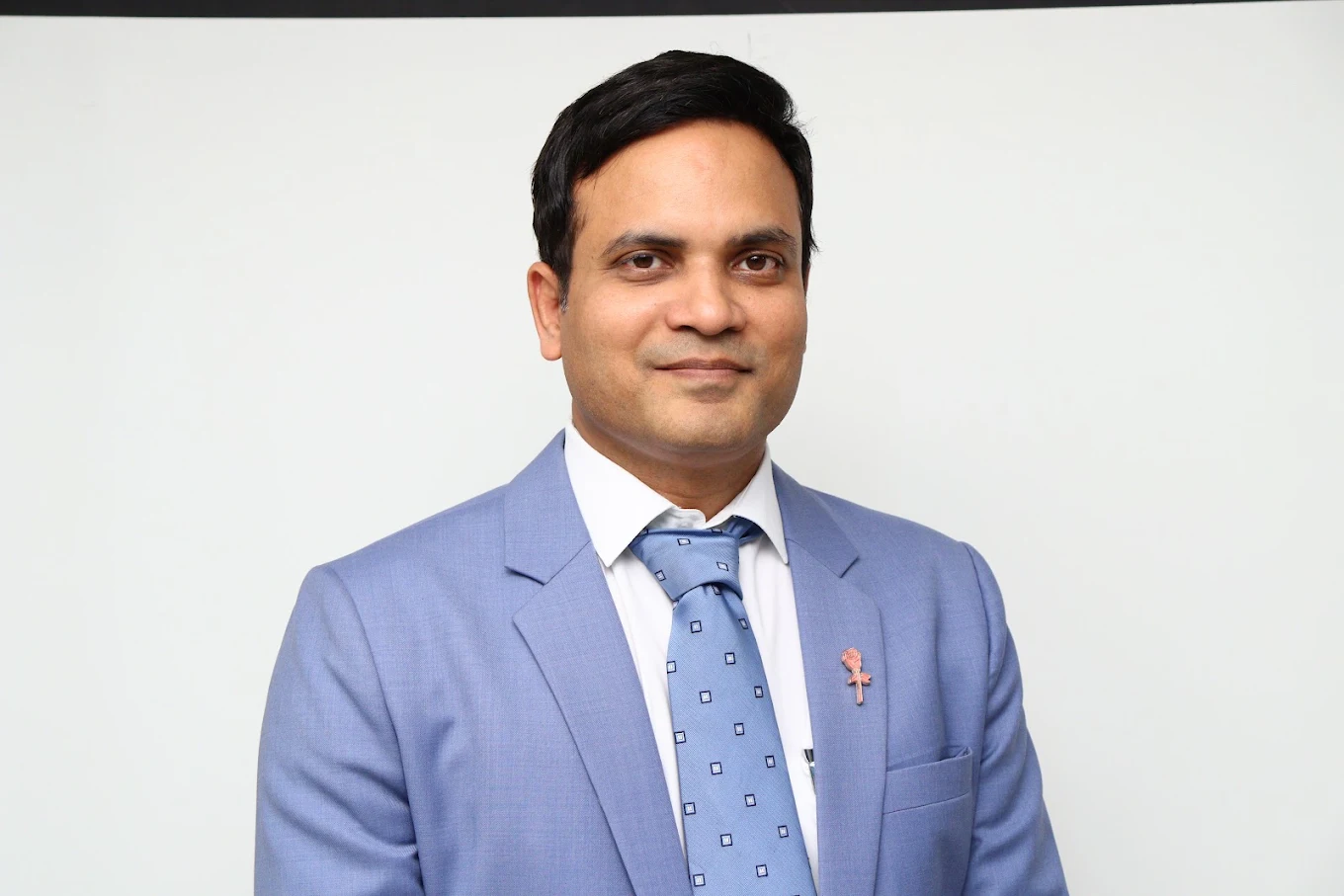
Dr. Rajesh Vunnamatla
Verified ConsultantLead Consultant Surgical Gastro & HPB Surgeon (IRCAD France, FARIS)
Department of Surgical Gastroenterology & HPB • Anviah Hospitals Gachibowli
This article is written and reviewed by our senior hospital doctors to ensure clear, accurate, and trustworthy health guidance for you and your family.
* Note: This guide is for general health awareness and does not replace personal consultation with a doctor.